October 28, 2026
Backlink Examples: What Good (and Bad) Links Actually Look Like
Quick answer
A backlink example is simple to picture. It is a link on someone else’s website that points to your website.
A good example is a food blog that links to a local bakery inside an article about sourdough. A bad example is the same bakery’s link sitting in a comment on an unrelated gambling site.
The difference is relevance, placement, and intent. This post shows you backlink examples of both kinds, so you can judge any link in seconds.
How to judge any backlink example
Before the examples, you need a quick judging method. Our how to get backlinks guide uses a vetting workflow. Here it is, shortened into five checks.
| Check | What to look for |
|---|---|
| Relevance | The linking page’s topic matches your page’s topic. |
| Placement | The link sits inside the main content, not a footer, sidebar, or comment. |
| Anchor text | The clickable words describe your page naturally. They are not stuffed with keywords. |
| Real traffic | The linking site gets real visitors. A link no one sees helps no one. |
| Link attribute | Dofollow passes ranking value. Nofollow and sponsored do not, but they can still send visitors. |
A good backlink passes most of these checks. A bad one fails most of them. Keep this table in mind for every example below.
If you are new to the basics, our first post explains what backlinks are and how they work.
Example 1: an editorial link inside an article
This is the strongest kind of backlink example. A food blog publishes an article called “The best sourdough in the city.” Inside the article, the writer names a local bakery and links its menu page.
The link sits in the main text, not in an ad or a sidebar. The anchor text is the bakery’s name. The reader can click it and land on a page that matches exactly what they were reading about.
Why it is good: the topic matches, the placement is in content, and the link exists because the writer genuinely recommends the bakery. This is the kind of link Google trusts most.
What to look for: in-content placement, a natural brand anchor, and a page that delivers what the article promises.
Example 2: a guest post link
A SaaS company that sells invoicing software writes a guest post for a small business blog. The post teaches freelancers how to price their work. Inside the post, one link points to the company’s free invoicing guide.
This is a good backlink example when the guest post is genuinely useful on its own. The link helps the reader, and it fits the article’s topic. Our guest posting services work on exactly this principle.
It becomes a weak example when the post exists only for the link. A thin article stuffed with links, published on a site that accepts anything, helps no one.
What to look for: a host site with real readers, a post that stands on its own, and one or two links that genuinely help the reader.
A related example is a link insertion. An existing article already ranks and already gets traffic. The site owner adds your link to it where it fits naturally.
This works best when your page genuinely improves the article. It fails when the link is forced into an unrelated paragraph.
Example 3: a business directory listing
A plumber lists his business on a well-known local directory. The listing shows his name, address, phone number, and a link to his website. The link is often nofollow.
This is still a useful example. Directories help local customers find real businesses. They also confirm your business details across the web, which supports local rankings.
The limit is clear, though. A directory link alone will not move competitive rankings. It works best alongside editorial links, not instead of them.
Our local citation services cover this kind of listing. What to look for: a directory real customers actually use, and details that match your website exactly.
Example 4: a resource page link
A university careers page keeps a list of free tools for students. It links to a free CV template created by a small design studio. The studio did not pay for the link.
The page editor added it because the tool helps students. Resource page links are strong because they are hard to get. An editor chose the page for its usefulness.
The anchor text is usually the tool’s name, which looks natural. This example shows why creating something citable matters. A genuinely useful page earns links that outreach alone cannot buy.
What to look for: a page that curates resources by hand, and a linked page that is free and genuinely useful.
Example 5: a digital PR mention
A local newspaper writes a story about a bakery that donates unsold bread to a food bank. The story quotes the owner and links to the bakery’s website.
The bakery did not ask for the link. The story itself earned it.
Digital PR links like this carry real authority. News sites are trusted, and the link comes from a real story. This is the kind of coverage our digital PR work aims for.
One caution applies here. A mention without a link is common in news stories. The link is a bonus, not a guarantee.
The story still builds brand awareness even when it does not link. What to look for: a real news story, a quote or fact from you, and a link to your homepage or a relevant page.
Example 6: a link to original research
A payroll company publishes a small report on hiring trends in its city. Over the next months, business blogs cite the report and link to it. Each citing article uses the report’s numbers to support its own point.
This is a classic earned-link example. The company created something worth citing, and other writers linked it naturally. No outreach email asked for these links.
The lesson is practical. One strong piece of research can earn more links than ten average blog posts. It takes effort, but the links keep coming.
Small businesses can do this at a smaller scale. A survey of your own customers, or a simple price comparison for your city, is original data. Local blogs and news sites cite small original findings more often than people expect.
What to look for: original numbers or findings, clear sourcing, and a page that other writers can cite without asking permission.
Example 7: a partner or supplier page link
A coffee roaster supplies beans to twenty cafes. Five of those cafes list their suppliers on their websites. Each listing links to the roaster’s site.
These links are natural and relevant. The businesses genuinely work together, and the link reflects a real relationship. Google reads that as a normal business connection.
This example is easy to miss. Many businesses already qualify for partner links and never ask for them.
Checking your existing relationships is one of the fastest ways to find link opportunities. What to look for: a real working relationship, and a partners or suppliers page that already exists.
Example 8: an image or logo link
A local design studio sponsors a charity run. The event page shows the studio’s logo, and the logo links to the studio’s website. Visitors who click the logo land on the studio’s homepage.
Logo links are real backlinks, but they are weaker than text links. A logo carries no descriptive anchor text. Search engines learn less about the linked page from an image than from words.
Still, sponsorship links are legitimate. They come from real involvement, not from a link scheme. They belong in a healthy link profile alongside stronger text links.
What to look for: a real event or cause, a logo that links to your homepage, and alt text that names your business.
Example 9: a podcast show notes link
A marketing consultant appears as a guest on a small business podcast. The episode page lists the guest’s website in the show notes. Listeners who want to learn more can click through.
Show notes links are usually nofollow, but they still send targeted visitors. The listener already heard the guest and wants more. That traffic is more valuable than random directory traffic.
This example also shows a different path to links. Not every link comes from writing. Speaking, teaching, and appearing on shows all create link opportunities.
What to look for: a show your audience actually listens to, and a link to a page that continues what you talked about.
Backlink examples by link attribute
The same link can behave differently depending on its attribute. Here is one backlink example for each type.
A dofollow link is the default editorial link. The food blog linking to the bakery is a dofollow link. It passes ranking value to the bakery’s page.
A nofollow link tells search engines not to pass ranking value. A blog comment link with rel=”nofollow” is the classic example. It can still send visitors, but it does not directly lift rankings.
A sponsored link marks paid placement. A brand pays for a product roundup mention, and the link carries rel=”sponsored”.
This is legitimate advertising. It does not pass ranking value, and it should not pretend otherwise.
A UGC link marks user-generated content. A forum post or a community answer linking to a helpful guide carries rel=”ugc”. It signals that the site owner did not place the link editorially.
Good backlinks come in all four types. A healthy profile mixes them. A profile of only dofollow links, especially paid ones, looks unnatural.
One example, three views
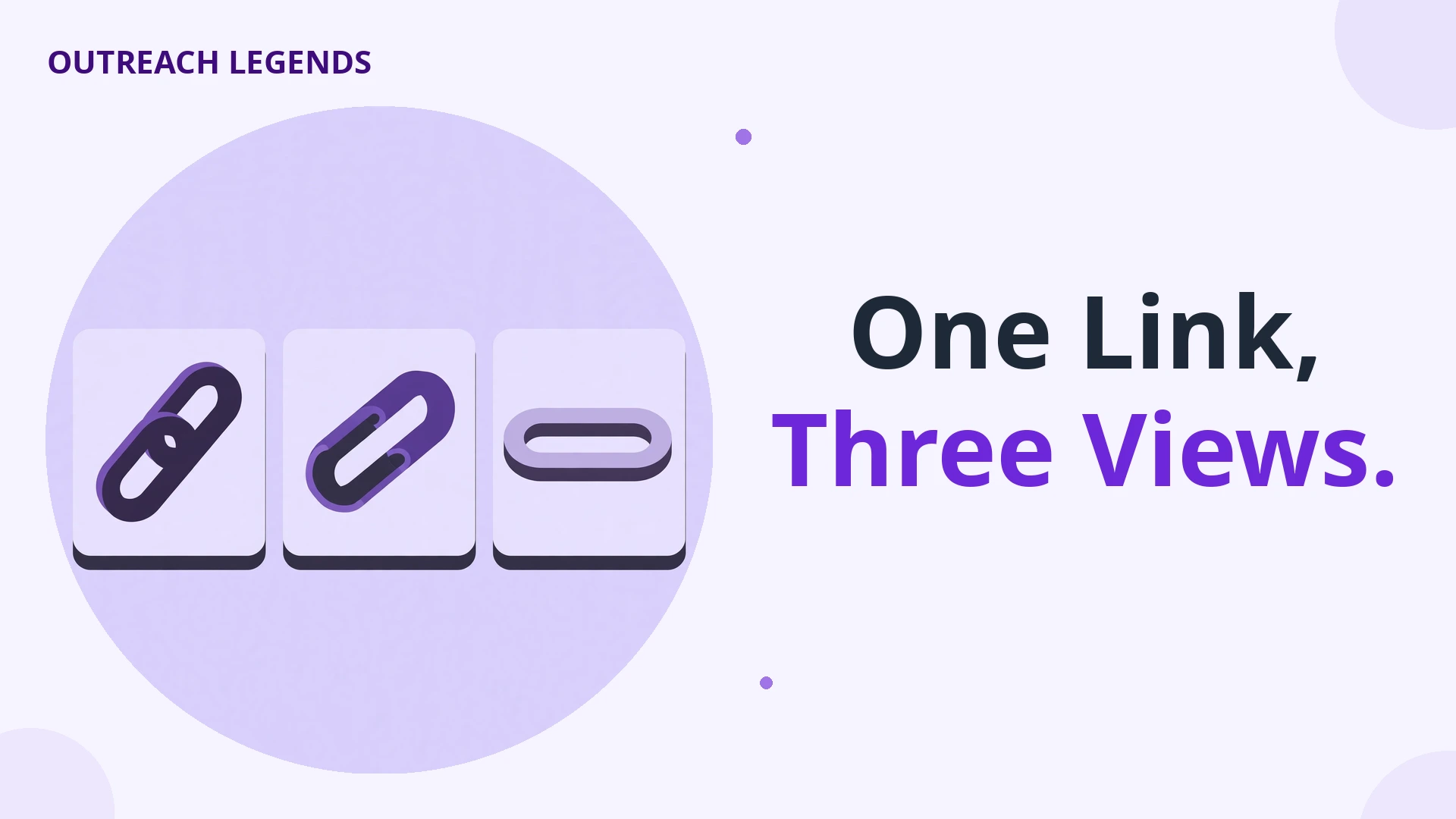
No top page shows the same link three ways. Here is the bakery example again, in all three views.
On the page, the reader sees one sentence. “We stopped by City Bakery, whose sourdough was the best we tasted all week.” The words “City Bakery” are the link.
In the code, the same link looks like this. The anchor tag holds the destination and the clickable words. Nothing else is needed for a clean dofollow link.
<a href="[bakery website]/menu">City Bakery</a>
In a backlink tool, the same link appears as one row. The row shows the linking article, the anchor text “City Bakery”, and the attribute “dofollow”. It also shows the linking site’s estimated authority and traffic.
Now judge it with the five checks:
- Relevance: a food blog linking a bakery.
- Placement: inside the article text.
- Anchor: a natural brand name.
- Traffic: a real blog with readers.
- Attribute: dofollow.
That is what a textbook good backlink example looks like. When someone offers you a link, ask to see it the same three ways. If they cannot show you the page, the code, or the tool row, be cautious.
A bad link fails the same test. On the page it sits in a comment. In the code it carries an exact-match keyword anchor.
In a tool it comes from a site with no traffic and hundreds of outgoing links.
Same business, good link vs bad link
The fastest way to learn judgment is to compare two links for the same business. Here are three pairs of backlink examples.
| Business | Good backlink example | Bad backlink example |
|---|---|---|
| Local bakery | Food blog article about sourdough, in-content link to the menu page | Comment on an unrelated gambling blog, exact-match anchor “best bakery cheap cakes” |
| SaaS invoicing tool | Business blog citing its free pricing guide inside a freelancing article | Footer link on fifty unrelated sites, all with the same keyword anchor |
| Online plant store | Gardening magazine roundup of beginner plants, in-content link to a care guide | Paid directory blast on low-quality directories that accept any site |
Notice the pattern in every row. The good link fits the page, sits in the content, and helps the reader. The bad link is forced, off-topic, or repeated at scale.
When you check any link, ask which column it belongs in. That one question catches most bad links.
Bad backlink examples to avoid
Some examples look tempting but cause harm. Here are the ones to refuse.
A comment link on an unrelated blog is spam. A link from a private blog network, a group of sites built only to sell links, is a scheme. A footer link repeated across hundreds of sites with identical anchor text is a footprint Google recognizes.
Paid dofollow links are also risky. Paying for a link that passes ranking value breaks Google’s spam policies. A sponsored link with the right attribute is fine.
A hidden paid dofollow link is not. If a link would embarrass you if a customer saw how you got it, skip it.
One bad link rarely destroys a site. A pattern of them will.
Watch the speed as well. A new site gaining hundreds of links overnight looks manipulated. Natural link growth is uneven, with quiet weeks and busy weeks.
How to turn these examples into links
Examples are only useful if they lead to action. Each example above points to a method from our how to get backlinks guide.
Editorial and resource links come from creating something citable. Guest post links come from pitching useful articles.
Directory links come from listing your business where customers look. Partner links come from asking existing contacts.
Start with the examples closest to what you already have. A useful guide, a real partnership, or a local story is easier than a research report. Earn the easy links first, then build toward the harder ones.
The right order depends on your business type:
- Local business: directories and partner pages first, then local news and editorial mentions.
- SaaS tool: guest posts and citable guides first, then research and podcast appearances.
- E-commerce store: roundups and resource pages first, then digital PR around products or stories.
This order matters because early wins build a natural-looking profile. A new site with only news links looks odd. A mix that grows over time looks normal.
Before chasing new links, list the ones you already have. Most businesses already own partner, supplier, or directory links they never counted. That audit shows your gaps before you spend anything.
How to check your own backlinks
You can see your own backlink examples for free. Google Search Console has a Links report that shows which sites link to you. It also shows your most linked pages and your most common anchor text.
Ahrefs offers a free backlink checker that shows a sample of your links. It also shows each linking site’s estimated authority. Use it to spot the patterns in this post.
Check two things when you look. First, do your best links come from relevant pages? Second, do you have suspicious links, like comment spam or unrelated directories?
The first tells you what is working. The second tells you what to watch.
If you find bad links, do not panic and do not disavow everything. Google ignores most spammy links on its own. Disavow is a last resort, mainly when you have a manual action or a clear pattern of paid links pointing at your site.
FAQs
What does a backlink look like in HTML code?
It looks like an anchor tag with a destination address. The clickable words sit between the opening and closing tags. A dofollow link has no extra attribute, while a nofollow link adds rel=”nofollow”.
What is a dofollow link example?
A normal editorial link is a dofollow link. The food blog linking to the bakery inside its article is a dofollow link. It passes ranking value unless the site adds nofollow, sponsored, or ugc.
How many backlinks do I need?
There is no fixed number. A local bakery may compete with dozens of good backlinks. A SaaS tool in a competitive niche may need hundreds.
Compare your profile with the sites already ranking for your target keyword. That gap is your real target.
Are directory backlinks still useful?
Yes, for local visibility and consistent business details. They are weak for competitive rankings on their own. Treat them as a foundation, not the whole strategy.
Are paid backlinks safe?
Paid links that pass ranking value are not safe. They break Google’s spam policies. Paid placements with a sponsored attribute are legitimate advertising, but they do not pass ranking value.
How do I know if a backlink is bad?
Check the five-point table above. Off-topic pages, comment or footer placement, and exact-match anchor spam are warning signs. Sites with no real traffic are another sign.
A few weak links are normal. A pattern of them is a problem.
Can one good link beat a hundred bad ones?
Yes, easily. One editorial link from a trusted, relevant site carries more weight than hundreds of spammy links. Quality has always mattered more than count, and that gap keeps growing.
Do backlinks from social media count?
Social links are usually nofollow, and most do not pass ranking value. They still help by sending visitors and getting your content seen. Treat them as distribution, not as your link building strategy.
What is a good anchor text example?
Your brand name is the safest anchor. Descriptive phrases like “sourdough menu” also work when they match the linked page. Exact-match keyword anchors repeated everywhere look manipulated, so keep them rare.
What does a backlink look like in Search Console?
It appears as a row naming the linking site and the page that links to you. Search Console also shows your top linked pages and your most used anchor text. It does not show every link, but it shows enough to judge your profile.
How long does a backlink take to work?
Weeks to months, not days. The linking page must be crawled first, then the value flows gradually. Our how to get backlinks guide covers timing in more detail.
Is a backlink from Wikipedia good?
Yes, as a trust and traffic signal. Wikipedia links are nofollow, so they do not pass ranking value directly. They still send real visitors, and they are very hard to earn because editors remove promotional links fast.
Closing
Backlink examples are only useful when you can judge them. Relevance, placement, anchor text, real traffic, and attribute tell you almost everything. Use those five checks on every link you earn, buy, or are offered.
If you want the outreach done for you, whether for your own site or for your clients, contact us and tell us about your site. We will tell you honestly which route fits.
Looking for Quality Backlinks?
Let Outreach Legends help you find relevant websites and manage your link-building outreach from start to finish.